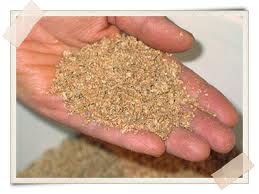
Homemade Bokashi
“According to the EPA, the U.S. generated more than 34 million tons of food waste in 2010, accounting for 14 percent of all the solid waste that reached landfills or incinerators.” To read the full article click here.

Now that’s a lot of valuable waste. Composting is part of the cycle of life. When the remains of the food we eat goes into the trash it puts a detrimental hiccup in this cycle and means piles of food scraps sit in plastic bags atop of other piles of valuable garbage in a stinky landfill some where far far away. To our conditioned minds, it’s a “now you see it now you don’t” sort of unconscious mentality that perpetuates the cycle we don’t want yet live amidst. Pioneers like Mindy Jaffe, of Pearl City High School, are setting the stage for change and she’s doing it one 5 gallon bucket at a time.
Jaffe takes hundreds and hundreds of pounds of food scraps from high school kids and elementary children, some not even touched, and offers it to large vats of beneficial insects. What would otherwise be trash becomes a goldmine for bugs that transform this mass of food and dwindle it down to practically nothing, in a very short period of time. A large portion of the food waste also goes to concocting Bokashi Gardens which wrap around the kids’ classrooms. This edible landscape sets an example for what happens when we divert our every day scraps, and in the case of DOE schools A LOT of uneaten food, and do something that’s not only transformational to the landscape but to our perspective as well.
Essentially, anyone can make bokashi from 3 simple ingredients: saw dust or wheat bran, EM (effective microorganisms – purchased from gardening stores) & molasses. In two weeks time, this amazing substance gets sprinkled over your kitchen scraps and is left to sit in an airtight (anaerobic) container until you have more to add. Each time you add, you sprinkle, and so it goes. Jaffe mentioned that for some it can take up to a year for a 5 gallon bucket to actually reach capacity because the bokashi breaks the waste down so quickly. Bokashi doesn’t discriminate either. Anything goes, including meat, bones and oils. This is excellent news for people who want to compost but live in small apartments or urban settings where gardens are scarce. But even if you live on a piece of land with existing gardens or lots of potential gardening space this is a great option for adding nutrients to the soil and beneficial bacteria that grow delicious, vibrant food.

We all say we want to be the change we wish to see in the world…one of the greatest changes we could see in our future is a reduction of waste, in this case, unnecessary food waste that has a great home in the ground after a brief fermentation. Enjoy this simple recipe and the peace of mind that you are the change!
[gmc_recipe 795]